Why Proper Inspection Matters
Before diving into specific inspection points, let’s understand why thorough evaluation is crucial:
1. Financial Protection: Identifying problems before purchase can save thousands in unexpected repairs
2. Safety Assurance: Some issues may compromise vehicle safety
3. Negotiation Leverage: Documented problems provide negotiating power for price reductions
4. Peace of Mind: Knowing the true condition helps you make a confident decision
5. Long-term Satisfaction: A properly vetted vehicle is more likely to meet your expectations
Research Before You Shop
Smart used car shopping begins before you ever look at a specific vehicle:
Vehicle History Reports
Services like CarFax, AutoCheck, or the Australian Personal Property Securities Register (PPSR) provide valuable information:
– Previous accident history
– Odometer discrepancies
– Title problems
– Service records
– Number of previous owners
– Flood or fire damage
– Recall information
While not exhaustive, these reports provide a good starting point and can help you avoid vehicles with serious red flags.
Common Problems for Specific Models
Research the specific makes and models you’re interested in:
– Known reliability issues
– Common failure points
– Typical repair costs
– Recall information
– Owner forums and reviews
This knowledge helps you focus your inspection on known trouble areas for particular vehicles.
Maintenance Costs and Parts Availability
Some vehicles are significantly more expensive to maintain than others:
– Research typical service costs
– Check parts availability and pricing
– Consider insurance costs
– Look into fuel efficiency
A bargain purchase price can be quickly offset by excessive operating costs.
The Initial Assessment
When you first approach a used vehicle, take time for these preliminary checks:
Exterior Inspection
Body Condition
– Walk around the entire vehicle in good lighting
– Look for inconsistent paint sheen or color differences
– Check panel gaps for uniformity
– Inspect for rust, especially around wheel wells, door edges, and underbody
– Look for ripples in body panels that might indicate repairs
– Check that doors, hood, and trunk open and close properly
Glass and Lights
– Inspect all windows for cracks or chips
– Check headlights and taillights for damage or moisture
– Ensure all lights function properly
– Look for aftermarket replacements that might indicate repairs
Tires
– Check tread depth (should have at least 3-4mm remaining)
– Look for even wear across each tire
– Inspect for sidewall damage or bulges
– Check that all four tires are the same brand and model (mismatched tires can indicate neglect)
– Verify the spare tire condition and presence of changing tools
Interior Assessment
Upholstery and Trim
– Check seats for excessive wear, tears, or stains
– Inspect headliner for sagging or water stains
– Test all seat adjustments and heating/cooling functions
– Look for worn pedals, steering wheel, or shifter that might indicate high mileage
Electronics
– Test all power windows, locks, and mirrors
– Check air conditioning and heating performance
– Verify radio, speakers, and navigation functionality
– Test all dashboard warning lights during startup
– Check instrument panel illumination
Odor Assessment
– Be wary of strong air fresheners that might mask issues
– Musty smells can indicate water damage
– Burning oil smell might suggest engine problems
– Sweet smells could indicate coolant leaks
Practical Features
– Check storage compartments and glove box
– Test sunroof operation if equipped
– Verify trunk opening mechanism and space
– Ensure all keys, remotes, and accessories are included
Mechanical Inspection
This is the most critical part of your assessment and where professional help can be invaluable:
Engine Checks
Cold Start
Whenever possible, arrange to see the vehicle when the engine is cold:
– Listen for unusual noises during startup
– Watch for excessive smoke from exhaust
– Check for smooth idle after starting
– Look for warning lights that remain illuminated
Fluid Inspection
– Check oil level and condition on dipstick (should not be gritty or milky)
– Inspect coolant color and level (should not be rusty or contain oil)
– Check transmission fluid if accessible (should be red or pink, not brown or burnt-smelling)
– Look for fresh fluid stains under the vehicle
Visual Engine Inspection
– Look for corrosion on battery terminals
– Check for cracked hoses or belts
– Inspect for oil leaks around valve covers and seals
– Look for coolant leaks around the radiator and hoses
– Check for proper installation of all components (amateur repairs are a red flag)

Transmission Assessment
Automatic Transmission
– Check for smooth shifts between all gears
– Listen for clunks or hesitation during gear changes
– Ensure the vehicle doesn’t slip out of gear
– Check for delayed engagement when shifting from Park to Drive
Manual Transmission
– Verify clutch engagement point (should not be too high or low)
– Check for grinding when shifting gears
– Ensure all gears can be engaged smoothly
– Test for clutch slippage during acceleration
Suspension and Steering
Bounce Test
– Push down firmly on each corner of the vehicle and release
– The car should rebound once and then stop
– Continued bouncing indicates worn shock absorbers
Steering Check
– Turn the steering wheel fully in both directions
– Listen for clicking or clunking noises
– Check for excessive play in the steering wheel
– Ensure power steering operates smoothly
Alignment Assessment
– Look for uneven tire wear
– Check if the vehicle tracks straight when driving
– Inspect for bent wheels or suspension components
Brake System
Pedal Feel
– Brake pedal should be firm, not spongy
– Pedal shouldn’t sink to the floor when held down
– Check for pulsation during braking
Visual Inspection
– Look through wheel spokes at brake rotors for scoring or rust
– Check brake fluid level and condition
– Look for leaks around brake lines and calipers
Performance Test
– Test braking at different speeds
– Listen for squealing or grinding
– Check that the vehicle doesn’t pull to one side during braking
The Test Drive
A thorough test drive is essential and should include various driving conditions:
Route Planning
Try to include:
– City streets for low-speed handling
– Highways for high-speed stability
– Hills for power and brake assessment
– Rough roads to check suspension
– Tight turns to test steering
What to Focus On
Engine Performance
– Acceleration should be smooth and responsive
– Engine should maintain steady RPMs at constant speed
– No hesitation when pressing the accelerator
– No unusual noises under load
Transmission Behavior
– Shifts should be smooth and timely
– No slipping or hunting between gears
– No delay when shifting from drive to reverse
Braking Characteristics
– Vehicle should stop straight without pulling
– No vibration through the pedal or steering wheel
– ABS should engage properly on hard stops (if equipped)
Handling and Ride
– Steering should be responsive without excessive play
– Vehicle should track straight without wandering
– Suspension should absorb bumps without excessive bouncing
– No unusual noises when going over bumps
Noise Assessment
– Listen with radio off and windows up, then down
– Check for wind noise around windows and doors
– Listen for drivetrain whines or rumbles
– Note any rattles or squeaks from the interior

Professional Pre-Purchase Inspection
While personal inspection is valuable, nothing replaces a professional assessment:
Why Get a Professional Inspection
– Trained mechanics know what to look for
– Access to diagnostic equipment
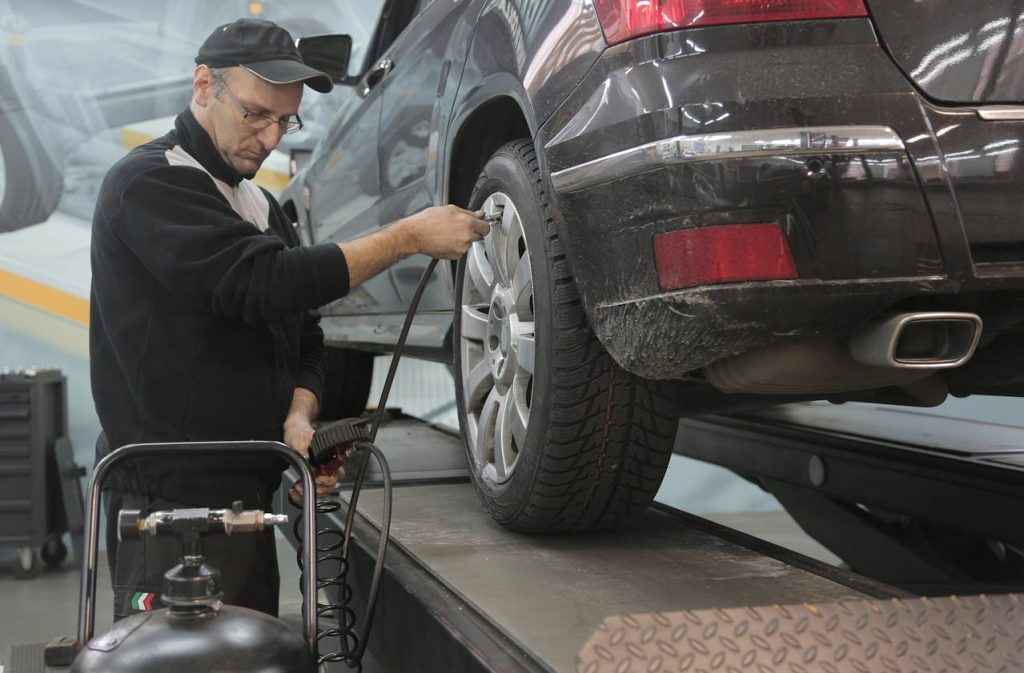
– Ability to put vehicle on a lift for underbody inspection
– Experience with common problems for specific models
– Objective third-party assessment
What a Professional Inspection Includes
At Paul Flood Automotive, our pre-purchase inspections include:
Comprehensive Mechanical Assessment
– Computer diagnostic scan for stored trouble codes
– Compression or leak-down testing if warranted
– Thorough underbody inspection
– Brake system measurement and evaluation
– Cooling system pressure testing
Electrical System Verification
– Battery load testing
– Charging system output measurement
– Starter current draw testing
– Comprehensive electronics function check
Detailed Written Report
– Itemised list of any issues found
– Estimated repair costs
– Overall vehicle condition rating
– Recommendations regarding purchase
Cost vs. Benefit
A professional inspection typically costs $150-300, but can save thousands by:
– Identifying hidden problems
– Providing negotiation leverage
– Preventing a bad purchase
– Giving peace of mind for a good vehicle
This is perhaps the best money you can spend in the used car buying process.
Red Flags to Watch For
Be especially cautious if you encounter these warning signs:
Documentation Issues
– Missing service records
– Incomplete or vague vehicle history
– Title discrepancies
– Seller unwilling to provide registration details
Seller Behavior
– Reluctance to allow a pre-purchase inspection
– Unwillingness to meet at their home or a neutral location
– Rushing the sale process
– Vague answers about vehicle history
– “As is” with no opportunity to inspect
Vehicle Condition
– Mismatched paint or obvious repainting
– Fresh undercoating (may hide rust or damage)
– Excessive wear inconsistent with claimed mileage
– Strong air fresheners or cleaning smell
– Water stains or rust in unusual places
Mechanical Warning Signs
– Blue smoke from exhaust
– Rough idle or stalling
– Transmission slipping or hard shifts
– Grinding or clicking during turns
– Excessive brake pedal travel

Negotiation and Purchase
Once you’ve completed your inspection, you’re ready for the final steps:
Using Inspection Results in Negotiation
– Document all issues found during inspection
– Research repair costs for leverage
– Prioritise safety concerns vs. cosmetic issues
– Be prepared to walk away if the seller won’t acknowledge legitimate problems
Fair Price Determination
– Use resources like Redbook, Carsales, or Drive to determine fair market value
– Adjust for condition, kilometers, and needed repairs
– Consider regional price variations
– Factor in any remaining warranty
Payment and Transfer Considerations
– Verify VIN matches all documentation
– Ensure all promised repairs are completed before purchase
– Get all agreements in writing
– Use secure payment methods
– Complete proper ownership transfer paperwork
– Update insurance before driving away
After the Purchase
Your responsibilities don’t end with the purchase:
Immediate Maintenance
– Change all fluids if service history is unknown
– Replace timing belt if due (especially important)
– Address any issues identified during inspection
– Establish baseline for future maintenance
Documentation Organisation
– Create a folder for all vehicle documents
– Start your own maintenance log
– Keep receipts for all work performed
– Document any existing issues with photos
Establishing a Relationship with a Trusted Mechanic
Having a reliable mechanic who knows your vehicle is invaluable:
– Schedule an initial service to establish baseline condition
– Discuss maintenance schedule based on actual condition
– Create a plan for addressing any known issues
– Set up regular inspection intervals
At Paul Flood Automotive, we offer new customer vehicle assessments specifically designed to help you understand your recently purchased used vehicle and plan for its care.
Special Considerations for Different Vehicle Types
Luxury Vehicles
– Higher maintenance costs even when purchased used
– More complex electronics that can be expensive to repair
– Often require specialised diagnostic equipment
– May have expensive “scheduled maintenance” requirements
High-Performance Vehicles
– Previous owner’s driving habits significantly impact condition
– May have been modified in ways that affect reliability
– Often driven harder than standard vehicles
– Can have specialised components with high replacement costs
Diesel Vehicles
– Different set of potential problems than petrol engines
– Injector and high-pressure pump issues can be costly
– Particulate filters may need expensive cleaning or replacement
– Modern diesel emission systems can be problematic
Hybrid and Electric Vehicles
– Battery condition is critical and expensive to replace
– Specialised diagnostic equipment needed
– Fewer mechanics qualified to work on them
– May have unique cooling system requirements

Conclusion
Purchasing a used car doesn’t have to be a gamble. With thorough research, careful inspection, and professional assistance, you can find a reliable pre-owned vehicle that provides excellent value. The time and money invested in proper evaluation before purchase will pay dividends in reduced repair costs and greater satisfaction with your vehicle.
At Paul Flood Automotive, we’ve helped countless Sutherland Shire residents make informed used car purchases through our pre-purchase inspection service. We’re also here to help maintain your vehicle after purchase, ensuring you get the most from your investment.
Remember that even the most thorough inspection can’t predict every possible issue, but it dramatically improves your odds of finding a quality used vehicle. When in doubt, always err on the side of caution—there are plenty of good used cars available, and it’s worth waiting to find the right one.
Contact Paul Flood Automotive today to schedule a pre-purchase inspection or to discuss any questions you might have about a vehicle you’re considering. Our team is ready to help you make a confident, informed decision on your next used car purchase.