
Why Pre-Trip Vehicle Preparation Matters
Before diving into the checklist, let’s understand why proper preparation is so important:
1. Safety: Vehicle failures at highway speeds or in remote areas can be dangerous
2. Reliability: Preventative maintenance reduces the likelihood of breakdowns
3. Comfort: A well-maintained vehicle provides a more pleasant travel experience
4. Economy: Properly maintained vehicles are more fuel-efficient
5. Peace of mind: Knowing your vehicle is ready allows you to focus on enjoying your trip
With these benefits in mind, let’s explore what you should check before embarking on your journey.
2-4 Weeks Before Departure: Major Systems Check
Starting your preparation well in advance gives you time to address any significant issues that might require parts ordering or extensive work.
Scheduled Maintenance
Check if you’re due for:
– Regular service (oil change, filter replacement)
– Major service (transmission, cooling system, etc.)
– Timing belt replacement
– Brake service
If you’re within 1,000-2,000 kilometers of a scheduled service, consider completing it before your trip rather than during it.
Fluid Levels and Condition
Inspect all vital fluids:
– Engine oil: Check level and condition; change if needed
– Transmission fluid: Check level and condition
– Brake fluid: Ensure proper level and check for contamination
– Power steering fluid: Verify level and condition
– Coolant: Check level, condition, and freeze/boil protection
– Windscreen washer fluid: Fill completely with quality fluid
Brake System
Your brakes are your most important safety system. Ensure they’re in excellent condition:
– Inspect pad thickness (should have at least 3-4mm remaining for a long trip)
– Check rotors for scoring, cracking, or excessive wear
– Test for proper pedal feel and stopping power
– Ensure the parking brake holds securely
Battery Health
Battery failures are among the most common causes of roadside breakdowns:
– Have your battery load-tested, especially if it’s over 3 years old
– Clean terminals and connections
– Check charging system output
– Consider replacement if the battery shows signs of weakness
Cooling System
Overheating is a major concern, especially in Australian conditions:
– Inspect hoses for cracks, softness, or bulging
– Check for leaks around water pump, radiator, and connections
– Ensure cooling fans operate properly
– Verify thermostat operation
– Consider a cooling system flush if it’s been more than 2 years
1 Week Before Departure: Operational Systems
As your departure approaches, focus on systems that affect daily operation and comfort.
Tyre Condition and Pressure
Your tyres are your only contact with the road and deserve careful attention:
– Check tread depth (minimum 3mm recommended for long trips)
– Inspect for cuts, bulges, or damage
– Verify even wear patterns
– Set pressures to manufacturer specifications (often listed on the driver’s door jamb)
– Don’t forget to check the spare tyre!
Lighting and Electrical
Proper lighting is essential for safety and legal compliance:
– Test all exterior lights (headlights, tail lights, brake lights, turn signals)
– Replace any burned-out bulbs
– Adjust headlight aim if necessary
– Check operation of all dash lights and gauges
– Test horn operation
Suspension and Steering
These systems affect handling, comfort, and safety:
– Inspect for leaking shocks or struts
– Check for unusual noises when going over bumps
– Ensure steering is responsive with no excessive play
– Look for uneven tyre wear that might indicate alignment issues
Belts and Hoses
These critical components can cause major problems if they fail:
– Check all belts for cracks, fraying, or glazing
– Inspect hoses for bulges, cracks, or leaks
– Verify proper belt tension
– Pay special attention to timing belt if applicable
Air Conditioning and Heating
Comfort systems are especially important on long journeys:
– Verify air conditioning cools effectively
– Check heater operation
– Ensure all vents and controls work properly
– Consider a cabin air filter replacement for better air quality
2-3 Days Before Departure: Final Preparations
With your departure approaching, focus on final checks and preparations.
Windscreen and Wipers
Clear visibility is essential for safe driving:
– Repair any windscreen chips or cracks
– Replace worn wiper blades
– Fill washer fluid reservoir completely
– Clean all windows thoroughly, inside and out
Emergency Equipment
Be prepared for unexpected situations:
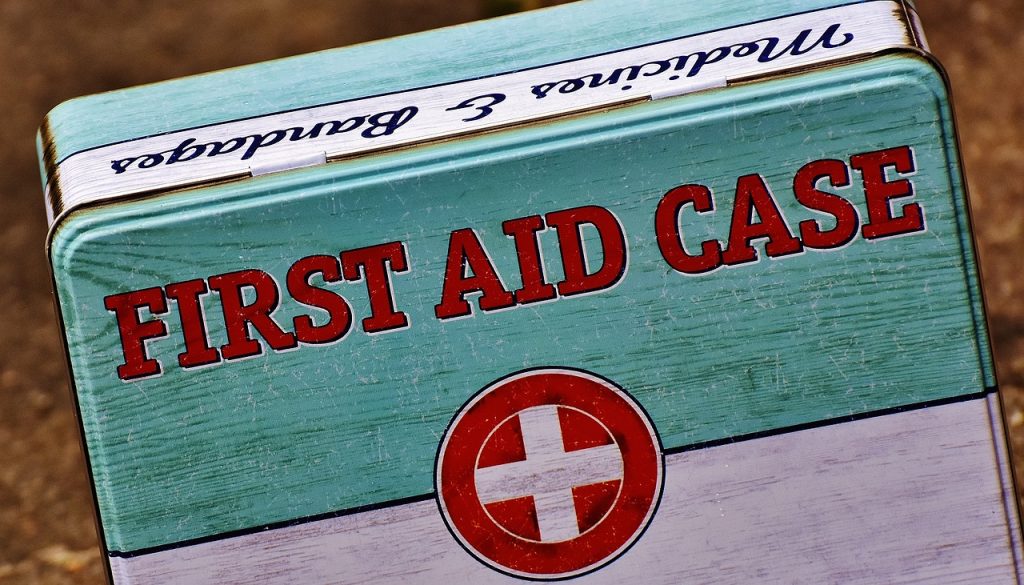
– First aid kit
– Roadside emergency kit
– Spare tyre and jack
– Basic tools
– Torch with fresh batteries
– Mobile phone charger
– Jumper cables or jump starter
– Water and non-perishable snacks
Documentation
Ensure you have all necessary paperwork:
– Current registration papers
– Insurance information
– Roadside assistance details
– Owner’s manual
– Recent service records
– Emergency contact information
The Day Before: Final Checks
Complete these final tasks the day before you depart:
Fluid Top-Ups
– Check all fluid levels one final time
– Top up windscreen washer fluid
– Consider carrying spare oil, coolant, and washer fluid for longer trips
Load Distribution
How you pack affects handling and fuel economy:
– Distribute weight evenly
– Don’t overload beyond vehicle capacity
– Secure all items to prevent shifting
– Ensure driver visibility isn’t obstructed
– Consider a roof box or cargo carrier for extra space
Tyre Pressure
– Check pressures when tyres are cold
– Adjust for load if recommended by manufacturer
– Don’t forget the spare
Electronics and Comfort
– Test all charging ports
– Set up navigation systems
– Prepare entertainment options
– Adjust seats and mirrors for comfort
Special Considerations for Different Trip Types
Different journeys require specific preparations:
Outback or Remote Travel
If you’re heading to remote areas, additional preparation is crucial:
– Extra Spare Tyre: Consider carrying two spares for very remote areas
– Extended Water Supply: Both for you and potentially for your radiator
– Communication Equipment: Satellite phone or personal locator beacon
– Extended Fuel Range: Jerry cans or auxiliary fuel tank
– Recovery Equipment: Snatch straps, shovel, MaxTrax
– Detailed Maps: Don’t rely solely on GPS in remote areas
– Shade Protection: For working on your vehicle in harsh sun
Mountain or Alpine Driving
For trips to cooler, mountainous regions:
– Cooling System Check: Ascending long grades tests your cooling system
– Brake Inspection: Descending puts heavy demands on brakes
– Snow Chains: If there’s any chance of snow
– Winter-Grade Washer Fluid: For freezing conditions
– Antifreeze Protection: Ensure your coolant can handle potential freezing temperatures
Coastal Journeys
For trips along Australia’s beautiful coastlines:
– Corrosion Protection: Salt air accelerates corrosion
– Sand Protection: Air filter condition becomes more important
– UV Protection: Consider sun protection for your vehicle’s interior
– Cooling System: Coastal humidity can affect cooling efficiency

Professional Pre-Trip Inspection
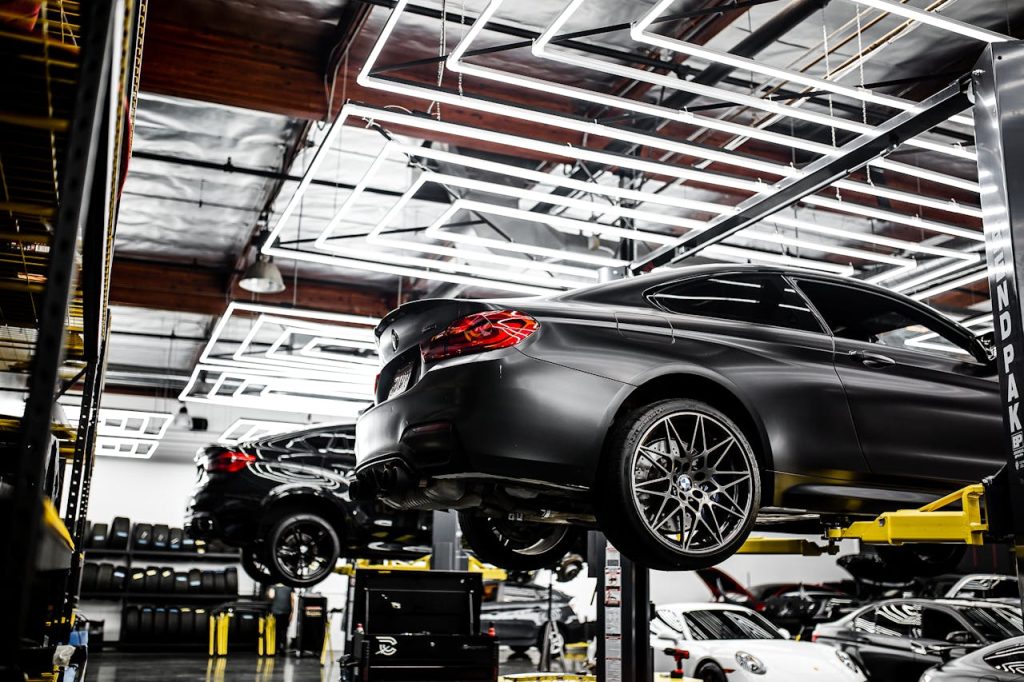
While many checks can be performed yourself, a professional inspection provides peace of mind. At Paul Flood Automotive, our Pre-Trip Inspection includes:
Comprehensive Safety Inspection
– Thorough brake system evaluation
– Steering and suspension check
– Tyre condition assessment
– Exhaust system inspection
– Comprehensive underbody examination
Fluid Analysis
– Oil condition testing
– Coolant protection level verification
– Brake fluid moisture content check
– Transmission fluid condition assessment
Electronic Systems Check
– Battery load testing
– Charging system output verification
– Computer diagnostic scan for stored codes
– Sensor operation verification
Road Test
– Performance evaluation under various conditions
– Unusual noise identification
– Transmission shift quality assessment
– Brake performance testing
Common Pre-Trip Repairs
Based on our experience at Paul Flood Automotive, these are the most common issues we identify and repair before long trips:
1. Worn Brake Pads: Often within acceptable limits for daily driving but not ideal for long trips
2. Marginal Batteries: May work fine for short trips but fail under the demands of vacation driving
3. Cooling System Issues: Minor leaks or marginal coolant condition that could cause problems under sustained highway driving
4. Tyre Problems: Uneven wear, inadequate tread for long distances, or slow leaks
5. Fluid Leaks: Minor leaks that could worsen with extended driving
6. Belt Wear: Belts that are approaching end-of-life but haven’t yet failed
7. Suspension Weaknesses: Worn shocks or struts that affect comfort and handling on long drives
Addressing these issues before departure is almost always less expensive and less stressful than dealing with them on the road.
DIY vs. Professional Preparation
While many pre-trip checks can be performed by car owners with basic knowledge, others require specialised equipment or expertise:
Suitable for DIY:
– Visual inspections
– Fluid level checks
– Tyre pressure adjustment
– Light bulb verification
– Emergency equipment preparation
– Basic cleaning and maintenance
Best Left to Professionals:
– Brake system evaluation
– Cooling system pressure testing
– Battery load testing
– Computer diagnostics
– Alignment checks
– Major fluid services
At Paul Flood Automotive, we offer both comprehensive pre-trip inspections and guidance for DIY preparations, depending on your comfort level and vehicle knowledge.
Road Trip Maintenance Tips
Even with thorough preparation, it’s important to monitor your vehicle during your journey:
Daily Checks During Your Trip
– Visual Inspection: Quick walk-around to check for leaks or issues
– Tyre Pressure: Check when tyres are cold, especially after significant temperature changes
– Fluid Levels:** Particularly engine oil and coolant
– Unusual Noises: Address any new sounds promptly
– Warning Lights: Never ignore dashboard warnings
Every 1,000 Kilometers
– More thorough fluid level checks
– Tyre wear inspection
– Belt and hose visual inspection
– Secure any loose items
Adapting to Conditions
– Increase check frequency in extreme conditions (very hot, dusty, etc.)
– Adjust tyre pressures for significant altitude changes
– Monitor fuel quality in remote areas

What to Do If Problems Arise
Despite the best preparation, issues can still occur. Here’s how to handle them:
Minor Issues
For non-critical problems:
– Consult your owner’s manual
– Call your roadside assistance provider for advice
– Locate a reputable repair facility using online reviews or recommendations
– Contact Paul Flood Automotive—we may be able to provide guidance over the phone
Major Breakdowns
For serious problems:
– Move to a safe location if possible
– Activate hazard lights
– Set up warning triangles if you have them
– Contact roadside assistance
– Don’t attempt major repairs on the roadside
– Consider having the vehicle transported to a qualified repair facility
Conclusion
Thorough preparation is the key to a trouble-free road trip. By addressing potential issues before they become problems, you’ll enjoy greater peace of mind and reduce the likelihood of inconvenient, expensive, and potentially dangerous breakdowns.
At Paul Flood Automotive, we recommend scheduling a pre-trip inspection at least two weeks before any major journey. This timing allows for any necessary repairs or parts ordering without disrupting your travel plans.
Our comprehensive pre-trip inspection service is designed to identify any concerns and ensure your vehicle is in optimal condition for your journey. Contact us today to schedule your appointment and hit the road with confidence.
Safe travels from all of us at Paul Flood Automotive!