
What Is Wheel Alignment?
Wheel alignment refers to the adjustment of the angles of your vehicle’s wheels to meet manufacturer specifications. It’s not actually about adjusting the wheels themselves, but rather the components of the suspension system that control the wheel’s movement and position.
The Three Key Alignment Angles
1. Camber: The inward or outward tilt of the wheel when viewed from the front of the vehicle. Proper camber ensures even tyre wear across the tread.
– Positive camber: The top of the wheel tilts outward
– Negative camber: The top of the wheel tilts inward
– Ideal: Slight negative camber for better cornering stability
2. Toe: The direction the wheels point relative to the vehicle’s centerline when viewed from above.
– Toe-in: The front of the wheels point inward
– Toe-out: The front of the wheels point outward
– Ideal: Slight toe-in for most vehicles to promote straight-line stability
3. Caster: The forward or backward tilt of the steering axis when viewed from the side. Proper caster provides steering stability and helps your vehicle maintain a straight line.
– Positive caster: The steering axis tilts toward the rear of the vehicle
– Negative caster: The steering axis tilts toward the front of the vehicle
– Ideal: Positive caster for better straight-line tracking and stability
The Alignment Process
At Paul Flood Automotive, our wheel alignment service involves:
1. Initial inspection: Checking tyre condition, suspension components, and steering parts for wear or damage that might affect alignment
2. Mounting alignment equipment: Attaching precision sensors to each wheel
3. Taking measurements: Using computerised equipment to measure current alignment angles
4. Comparing to specifications: Analysing how current measurements compare to manufacturer recommendations
5. Making adjustments: Carefully adjusting components to bring alignment within specification
6. Final verification: Re-measuring to confirm proper alignment has been achieved
7. Road testing: Ensuring the vehicle drives straight and handles properly
What Is Wheel Balancing?
Wheel balancing ensures that weight is distributed evenly around the wheel and tyre assembly. Even small imbalances of just a few grams can cause noticeable vibrations at certain speeds, leading to an uncomfortable ride and premature wear on various components.
Types of Imbalance
1. Static imbalance: Weight distribution is uneven around the circumference of the wheel, causing a hop or vertical vibration.
2. Dynamic imbalance: Weight distribution is uneven across the width of the wheel, causing a wobble or side-to-side vibration.
3. Combined imbalance: A combination of both static and dynamic imbalance, which is most common.
The Balancing Process
Our wheel balancing service includes:
1. Cleaning the wheels: Removing any existing weights and cleaning the rim
2. Mounting on balancer: Securing the wheel to our precision balancing machine
3. Spinning the wheel: The machine spins the wheel at high speed to measure imbalances
4. Adding weights: Precisely placing small weights at specific points on the rim to counteract any imbalance
5. Verification: Re-spinning the wheel to confirm proper balance has been achieved

Signs Your Vehicle Needs Alignment or Balancing
Alignment Warning Signs
1. Vehicle pulling to one side: If your car drifts left or right when driving on a straight, level road with your hands off the steering wheel (briefly and safely), misalignment is likely the culprit.
2. Uneven or rapid tyre wear: Examine your tyres for wear patterns. Excessive wear on inner or outer edges often indicates alignment issues.
3. Off-center steering wheel: If your steering wheel isn’t straight when driving in a straight line, your alignment needs attention.
4. Squealing tyres: Unusual noise when cornering can indicate alignment problems.
5. Loose or wandering steering: If your vehicle feels unstable or requires constant steering corrections, alignment may be the issue.
Balancing Warning Signs
1. Steering wheel vibration: Typically felt at specific speeds (often between 80-100 km/h), indicating front wheel imbalance.
2. Seat or floorboard vibration: Usually indicates rear wheel imbalance.
3. Vibration that increases with speed: A classic symptom of imbalanced wheels.
4. Scalloped or cupped wear pattern on tyres: Shows that the tyre is bouncing as it rotates due to imbalance.
5. Excessive wear on suspension components: Imbalanced wheels create additional stress on bearings, bushings, and shocks.
The Benefits of Proper Alignment and Balancing
1. Extended Tyre Life
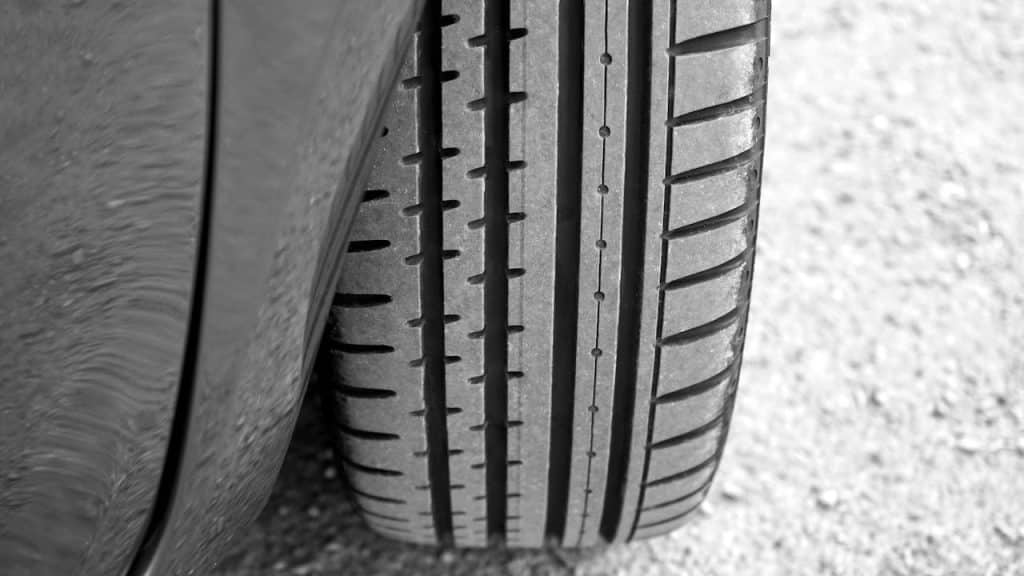
Perhaps the most significant benefit of proper alignment and balancing is prolonged tyre life. Tyres are a substantial investment, and premature replacement due to uneven wear is an unnecessary expense.
– With proper alignment: Tyres wear evenly across the tread surface
– With misalignment: Tyres wear unevenly, often excessively on inner or outer edges
– Potential savings: Up to 50% longer tyre life with proper alignment maintenance
2. Improved Fuel Economy
Misaligned wheels create drag, forcing your engine to work harder and consume more fuel.
– Potential improvement: Up to 10% better fuel efficiency with proper alignment
– How it works: Aligned wheels roll with less resistance, requiring less power
– Long-term savings: The fuel savings alone often pay for alignment service over time
3. Enhanced Safety
Properly aligned and balanced wheels improve vehicle control and handling, especially in emergency situations.
– Better braking performance: Even contact with the road surface improves stopping distance
– Improved handling: More predictable steering response in evasive maneuvers
– Reduced risk of hydroplaning: Even tyre wear maintains proper tread depth for water displacement
4. More Comfortable Ride
Vibrations from imbalanced wheels and pulling from misalignment make driving more fatiguing and less enjoyable.
– Reduced vibration: Properly balanced wheels eliminate annoying vibrations
– Less steering effort: Correct alignment reduces the need for constant steering corrections
– Reduced driver fatigue: Particularly noticeable on longer drives
5. Reduced Strain on Vehicle Components
Misalignment and imbalance create stress on many related components, potentially leading to premature failure.
– Protected suspension components: Less stress on ball joints, bushings, and bearings
– Extended steering component life: Reduced wear on tie rods and steering rack
– Preserved wheel bearing longevity: Balanced wheels put less strain on wheel bearings
How Often Should You Have Alignment and Balancing Performed?
Alignment Recommendations
At Paul Flood Automotive, we generally recommend wheel alignment:
– Every 2 years or 20,000 kilometers as preventative maintenance
– When installing new tyres to protect your investment
– After significant impacts such as hitting a pothole or curb
– When replacing suspension components such as struts or control arms
– If you notice any alignment symptoms like pulling or uneven wear
Balancing Recommendations
For wheel balancing, we suggest:
– Every 10,000-12,000 kilometers as routine maintenance
– When installing new tyres (always balance new tyres)
– When rotating tyres to ensure even wear
– After a tyre repair such as fixing a puncture
– If you experience vibration at any speed
Alignment and Balancing for Different Vehicle Types
Passenger Cars
Most passenger cars have relatively simple suspension systems with standard alignment specifications. Regular alignment every 20,000 kilometers is typically sufficient unless symptoms develop earlier.
SUVs and Crossovers
These vehicles often have higher centers of gravity and may be used on varied terrain. We recommend slightly more frequent alignment checks—perhaps every 15,000-20,000 kilometers—especially if you occasionally drive on unpaved roads.
Performance Vehicles
High-performance vehicles often benefit from more precise alignment specifications, sometimes with adjustments tailored to specific driving styles or conditions. We can provide performance-oriented alignments that maximise handling while still ensuring reasonable tyre life.
4WD and Off-Road Vehicles
Vehicles regularly used off-road should have alignment checked more frequently, as rough terrain can impact suspension components and alignment settings. We recommend checks every 10,000-15,000 kilometers for these vehicles.
The Paul Flood Automotive Difference
State-of-the-Art Equipment
At Paul Flood Automotive, we’ve invested in the latest alignment and balancing technology:
– Computerised alignment systems that provide readings accurate to a tenth of a degree
– High-precision wheel balancers that detect even minimal imbalances
– Vehicle-specific database*with manufacturer specifications for virtually every make and model
Experienced Technicians
Our alignment specialists have:
– Extensive training in suspension geometry
– Years of experience with diverse vehicle types
– Certification in alignment procedures
– Ongoing education to stay current with new technologies
Comprehensive Approach
Our alignment and balancing services include:
1. Pre-alignment inspection to identify any worn components that might affect alignment
2. Detailed measurements of current alignment angles
3. Printout of before and after readings so you can see the improvements
4. Recommendations for related services only when truly needed
5. Road test verification to ensure the problem is resolved
Common Questions About Alignment and Balancing
Can I align just one wheel?
No, alignment is a system-wide adjustment. While individual wheels have their own measurements, the relationship between all four wheels is critical for proper handling and tyre wear.
Will alignment fix my steering wheel vibration?
Probably not. Steering wheel vibration is typically caused by wheel imbalance rather than misalignment. However, we check both during our comprehensive inspection.
How long does an alignment take?
A standard four-wheel alignment typically takes 45-60 minutes, assuming no additional repairs are needed.
How long does wheel balancing take?
Balancing all four wheels usually takes about 30-45 minutes.
Can I do alignment or balancing myself?
While DIY enthusiasts can perform many maintenance tasks, alignment and balancing require specialised equipment and expertise that aren’t practical for home mechanics.
Is alignment covered under warranty?
Most new vehicle warranties don’t cover alignment as it’s considered a maintenance service rather than a defect. However, if misalignment is caused by a defective part, that component might be covered.
Conclusion
Proper wheel alignment and balancing are investments in your vehicle’s performance, safety, and longevity. By maintaining these often-overlooked aspects of vehicle care, you’ll enjoy a smoother ride, better fuel economy, extended tyre life, and reduced wear on expensive suspension components.
At Paul Flood Automotive, we take pride in providing precise alignment and balancing services that meet or exceed manufacturer specifications. Our experienced technicians, state-of-the-art equipment, and attention to detail ensure your vehicle performs at its best.
Don’t wait until you notice obvious symptoms like uneven tyre wear or vibration. Contact Paul Flood Automotive today to schedule your wheel alignment and balancing service as part of your regular maintenance routine.