The Fundamentals of Vehicle Braking
At its most basic level, your vehicle’s braking system converts kinetic energy (motion) into thermal energy (heat) through friction. When you press the brake pedal, hydraulic pressure is created and transmitted through brake lines to the wheels, where brake pads or shoes press against a rotating surface (disc or drum) to slow or stop your vehicle.
This seemingly simple process involves several sophisticated components working in perfect harmony. Let’s explore each one.
Key Components of a Modern Braking System
1. Brake Pedal
The brake pedal is your interface with the braking system. When you press it, it activates the master cylinder. The pedal provides mechanical advantage, multiplying the force from your foot to generate sufficient pressure in the hydraulic system.
2. Master Cylinder
The master cylinder converts the mechanical force from your foot on the brake pedal into hydraulic pressure. It contains a reservoir for brake fluid and pistons that pressurise the fluid when the pedal is pressed. This pressure is then transmitted through the brake lines to the wheels.
3. Brake Lines and Hoses
These are the pathways that carry pressurised brake fluid from the master cylinder to each wheel. Brake lines are typically made of steel and run along the vehicle’s frame, while flexible brake hoses connect the rigid lines to the wheel components, allowing for suspension movement and steering.
4. Brake Fluid
Brake fluid is a special hydraulic fluid designed to withstand high temperatures without boiling. It’s incompressible, which means it can transmit force efficiently throughout the system. Most vehicles use DOT 3, DOT 4, or DOT 5.1 brake fluid, each with different performance characteristics.
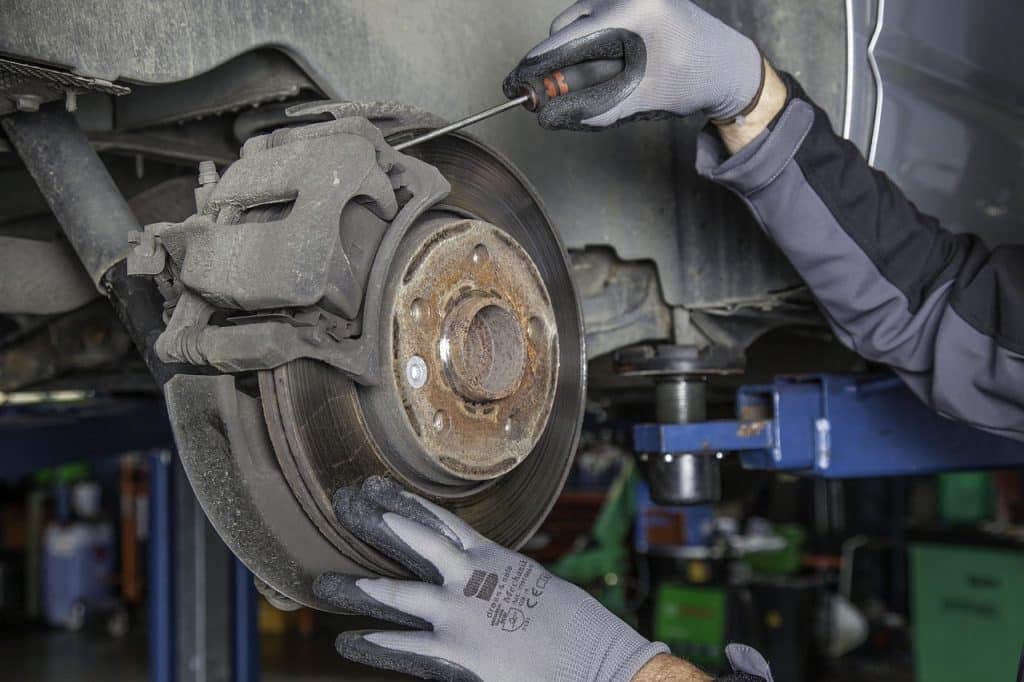
5. Disc Brakes
Most modern vehicles use disc brakes, at least on the front wheels. A disc brake system includes:
– Brake Disc (Rotor): A flat, round piece of metal attached to the wheel hub that rotates with the wheel.
– Caliper: A clamp-like device that straddles the rotor and houses the brake pads.
– Brake Pads: The friction material that presses against the rotor when the brakes are applied.
– Caliper Pistons: These push the brake pads against the rotor when hydraulic pressure is applied.
6. Drum Brakes
Some vehicles, particularly older models or the rear wheels of some economy cars, use drum brakes. These consist of:
– Brake Drum: A bowl-shaped component that rotates with the wheel.
– Wheel Cylinder: Converts hydraulic pressure into mechanical force.
– Brake Shoes: Curved friction materials that press outward against the drum when the brakes are applied.
– Return Springs: Pull the brake shoes back to their rest position when you release the brake pedal.
7. Anti-lock Braking System (ABS)
Modern vehicles are equipped with ABS, which prevents the wheels from locking up during hard braking. The system includes:
– Speed Sensors: Monitor the rotation of each wheel.
– Valves: Control the pressure to each brake.
– Pump: Restores pressure during ABS activation.
– Controller: The computer that monitors wheel speed and controls the ABS system.
8. Brake Assist and Electronic Brake Force Distribution
These advanced systems work with ABS to provide additional safety:
– Brake Assist: Detects emergency braking situations and applies maximum braking force.
– Electronic Brake Force Distribution (EBD): Distributes braking force between front and rear wheels for optimal stopping power and stability.
How the Braking System Works Together
When you press the brake pedal:
1. The master cylinder creates hydraulic pressure in the brake lines.
2. This pressure is transmitted to all four wheels.
3. At each wheel, the pressure pushes the brake pads against the rotors (in disc brakes) or forces the brake shoes against the drums (in drum brakes).
4. The resulting friction between these components slows the rotation of the wheels.
5. The ABS system monitors wheel speed and modulates brake pressure if it detects a wheel about to lock up.
This entire process happens in a fraction of a second, allowing you to slow down or stop safely.
Warning Signs of Brake Problems
Your braking system will often give you warning signs when something isn’t right. Here are key indicators that your brakes may need attention:
– Squealing or grinding noises: Often indicates worn brake pads or shoes.
– Vibration in the brake pedal or steering wheel: May suggest warped rotors.
– Soft or spongy brake pedal: Could indicate air in the brake lines or a problem with the master cylinder.
– Brake pedal goes to the floor: Possible brake fluid leak or master cylinder failure.
– Vehicle pulls to one side when braking: May indicate a stuck caliper or uneven brake pad wear.
– Burning smell while driving: Could be overheated brakes or a stuck caliper.
– Brake warning light on dashboard: Signals various potential issues, from low brake fluid to ABS problems.
If you notice any of these symptoms, it’s important to have your braking system inspected promptly. At Paul Flood Automotive, we recommend not driving a vehicle with suspected brake problems, as it could compromise your safety.
Brake Maintenance Tips for Australian Driving Conditions
The Sutherland Shire’s varied driving conditions—from stop-and-go city traffic to coastal roads—can place unique demands on your braking system. Here are some maintenance tips specific to our local conditions:
1. Regular brake fluid checks: Australian heat can accelerate brake fluid degradation. We recommend checking your brake fluid level and condition every 6 months.
2. Brake system flushes: Complete replacement of brake fluid every 2 years helps prevent moisture contamination, which is particularly important in our coastal environment.
3. Rotor and drum inspections: Our local roads can contribute to uneven wear patterns. Regular inspections can catch these issues early.
4. Salt exposure consideration: For those living near the coast, salt exposure can accelerate corrosion of brake components. Regular cleaning and maintenance are essential.
5. Adjust driving habits for conditions: In heavy rain, which we occasionally experience, allow greater stopping distances and brake earlier and more gently.
Paul Flood Automotive’s Brake Services
At Paul Flood Automotive, we offer comprehensive brake services to keep your vehicle stopping safely:
– Brake inspections: Thorough evaluation of all braking system components.
– Brake pad and shoe replacement: Using quality parts that meet or exceed manufacturer specifications.
– Rotor and drum resurfacing or replacement: Ensuring smooth, even braking surfaces.
– Caliper and wheel cylinder service: Rebuilding or replacing these critical components when necessary.
– Brake fluid flush and replacement: Removing old, contaminated fluid and replacing it with fresh fluid of the correct specification.
– ABS diagnosis and repair: Using advanced diagnostic equipment to identify and resolve electronic braking system issues.
Our technicians are trained to work on all types of braking systems, from standard hydraulic systems to the latest electronic and regenerative braking technologies found in hybrid and electric vehicles.
The Importance of Quality Brake Components
When it comes to braking system repairs, quality matters. At Paul Flood Automotive, we use only high-quality brake components that meet or exceed manufacturer specifications. While cheaper alternatives may save money in the short term, they often:
– Wear faster, requiring more frequent replacement
– Produce more noise and dust
– Provide less effective stopping power
– May compromise safety in emergency situations
We believe your safety is worth the investment in quality brake parts and professional installation.
Conclusion
Your vehicle’s braking system is a marvel of engineering that plays a crucial role in your safety on the road. Understanding how it works can help you recognise when something isn’t right and appreciate the importance of regular maintenance.
If it’s been a while since your last brake inspection, or if you’re experiencing any of the warning signs mentioned above, we invite you to contact Paul Flood Automotive. Our experienced technicians will ensure your braking system is in optimal condition, giving you peace of mind every time you press the brake pedal.
Remember, when it comes to brakes, preventative maintenance isn’t just about saving money—it’s about protecting what matters most.