
Battery Care and Testing
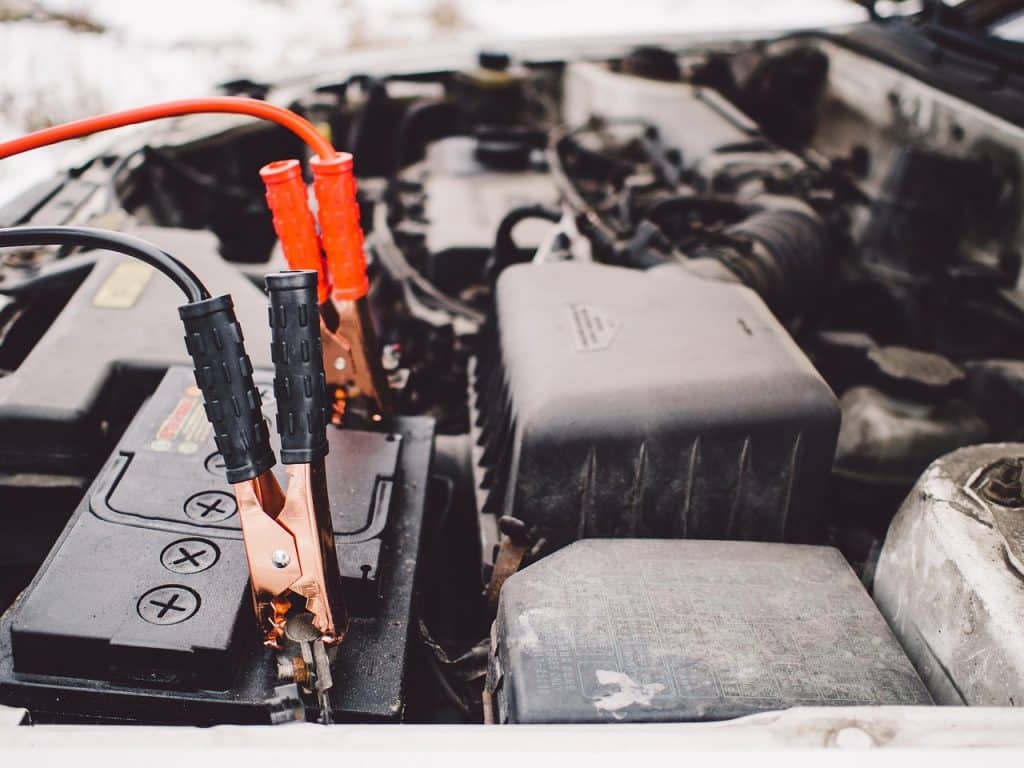
Your vehicle’s battery works harder in colder weather, making winter the most common time for battery failures. The chemical reactions that generate electricity slow down in cooler temperatures, reducing your battery’s efficiency precisely when you need it most.
Signs Your Battery May Need Attention:
– Slow engine cranking when starting
– Dimming headlights, especially at idle
– Dashboard warning light illuminated
– Battery older than three years
– Corrosion on terminals
– Previous jump-start requirements
Preventative Battery Maintenance:
1. Professional Testing: At Paul Flood Automotive, we use specialised equipment to assess your battery’s condition and charging system performance. This test can identify weaknesses before they leave you stranded.
2. Terminal Cleaning: Corrosion on battery terminals restricts current flow. We clean and protect terminals with anti-corrosion solutions to ensure optimal connections.
3. Secure Mounting: We check that your battery is securely mounted to prevent vibration damage.
4. Charging System Verification: A healthy alternator and voltage regulator are essential for keeping your battery charged. Our comprehensive testing includes these components.
The Importance of Antifreeze/Coolant Checks
While freezing temperatures are rare in the Sutherland Shire, your cooling system still requires attention before winter. The coolant in your radiator does more than prevent freezing—it also:
– Prevents corrosion inside your engine and radiator
– Lubricates your water pump
– Raises the boiling point of water to prevent overheating
– Contains additives that deteriorate over time
Coolant Maintenance Recommendations:
1. Check Coolant Level: Ensure the reservoir is filled to the appropriate mark when the engine is cold.
2. Inspect Coolant Condition: Coolant should be clear and free of debris. Rusty or cloudy coolant indicates contamination or degradation.
3. Test Coolant Concentration: We use a refractometer to verify the proper mixture of coolant and water, typically a 50/50 ratio for most vehicles.
4. Coolant Flush: If it’s been more than two years since your last coolant service, consider a complete flush and replacement to restore corrosion protection and optimal performance.
5. Inspect Hoses and Clamps: Cold temperatures can exacerbate small leaks and cause brittle hoses to fail. We check all cooling system components for signs of wear or leakage.
Tyre Considerations for Wet Winter Roads
Wet roads significantly increase stopping distances and reduce traction. Your tyres are your vehicle’s only contact with the road surface, making them particularly important during winter driving.
Winter Tyre Preparation:
1. Tread Depth Check: While the legal minimum tread depth is 1.6mm, we recommend at least 3mm for adequate wet weather performance. The deeper tread channels help evacuate water and prevent hydroplaning.
2. Pressure Adjustment: Tyre pressure decreases in cooler temperatures—approximately 1 PSI for every 10°C drop. Check pressure monthly during winter, preferably when tyres are cold.
3. Rotation Service: If it’s been more than 10,000km since your last rotation, consider this service to ensure even wear and maximum tread life.
4. Wheel Alignment: Proper alignment becomes even more critical on wet roads. If your vehicle pulls to one side or the steering wheel isn’t centered when driving straight, schedule an alignment check.
5. Spare Tyre Verification: Ensure your spare is properly inflated and in good condition. Winter is the worst time to discover your spare isn’t serviceable.
Wiper Blade and Washer Fluid Recommendations
Clear visibility is essential for safe winter driving. Your windscreen wipers and washer system play a crucial role during increased rainfall.
Wiper System Preparation:
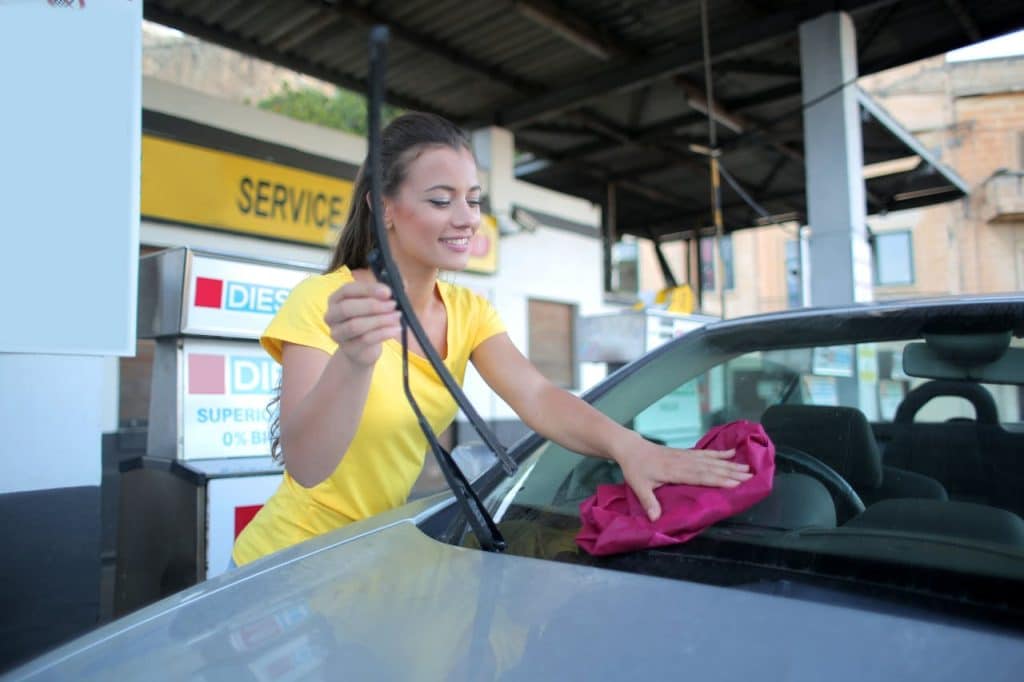
1. Blade Inspection: Look for cracks, tears, or hardening in the rubber elements. If your wipers streak, chatter, or leave portions of the windscreen unclear, replacement is necessary.
2. Wiper Arm Tension: We check that wiper arms maintain proper pressure against the windscreen for effective clearing.
3. Washer Fluid Topping: Use a quality washer fluid with cleaning agents rather than plain water. This helps remove road grime and provides some protection against freezing.
4. Washer System Check: We verify that all spray nozzles are properly aimed and functioning, and that the pump operates correctly.
Lighting Checks for Shorter Days
Winter brings shorter daylight hours, meaning you’ll likely be driving in darkness more frequently. Proper lighting is critical for both seeing and being seen.
Lighting System Preparation:
1. Headlight Aim: Improperly aimed headlights reduce visibility and can blind oncoming drivers. We check and adjust headlight aim as needed.
2. Bulb Inspection: We verify all exterior lights are functioning, including headlights (high and low beam), fog lights, turn signals, brake lights, and reverse lights.
3. Lens Cleaning and Restoration: Cloudy or yellowed headlight lenses can significantly reduce light output. We offer cleaning and restoration services to maximise visibility.
4. Upgrade Options: If you frequently drive on poorly lit roads, we can discuss lighting upgrade options that comply with Australian regulations.
Winter Emergency Kit Essentials
Even with proper maintenance, emergencies can happen. A well-stocked emergency kit provides peace of mind and practical assistance when needed.
Recommended Winter Emergency Kit Items:
1. Portable Phone Charger: Keep a fully charged power bank in your vehicle.
2. High-Visibility Vest: Essential if you need to exit your vehicle in low-light conditions.
3. Torch with Fresh Batteries: A reliable light source for nighttime emergencies.
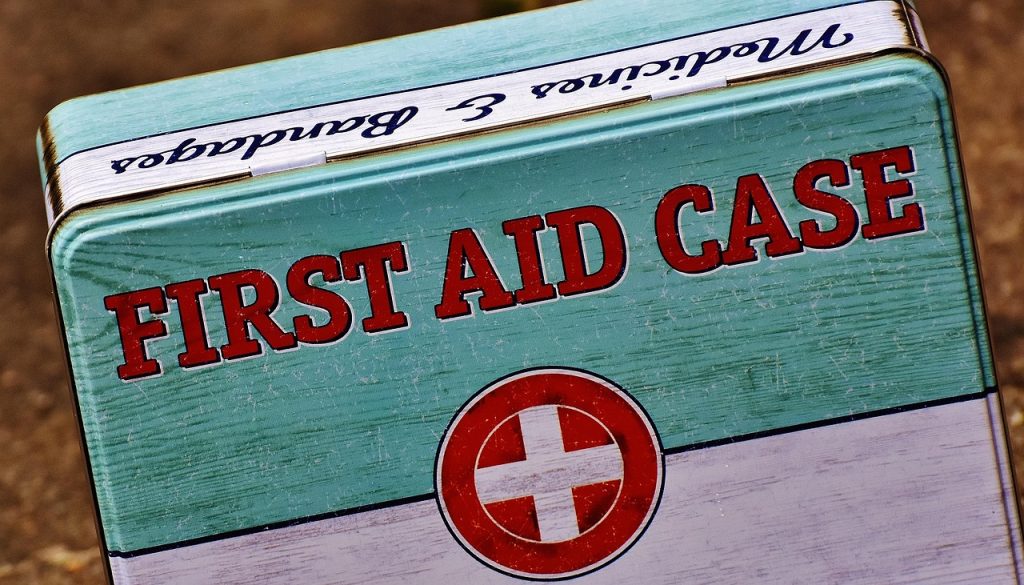
4. Basic First Aid Kit: For minor injuries until professional help arrives.
5. Umbrella and Rain Poncho: Stay dry while changing a tyre or waiting for assistance.
6. Microfiber Cloth: For clearing condensation from windows.
7. Jumper Cables or Jump Starter: For battery emergencies.
8. Basic Tool Kit: Screwdrivers, pliers, adjustable wrench, and tyre pressure gauge.
9. Drinking Water and Non-Perishable Snacks: For longer waits during emergencies.
10. Blanket: For comfort during extended waits in cooler temperatures.
Additional Winter Maintenance Considerations
Beyond the major systems already discussed, several other components deserve attention before winter:
Braking System
Your brakes face additional challenges on wet roads. We recommend:
– Inspection of brake pad thickness
– Checking for rotor wear or warping
– Testing brake fluid condition (moisture contamination is common in coastal areas)
– Verifying that ABS and stability control systems are functioning properly
HVAC System
A properly functioning heating and defrosting system is essential for winter comfort and safety:
– Heater operation check at various settings
– Defrosting effectiveness verification
– Cabin air filter replacement if restricted
– A/C system check (yes, your A/C helps with defogging!)
Door Seals and Locks
Prevent water intrusion and ensure reliable operation:
– Lubrication of door locks and hinges
– Inspection and conditioning of rubber seals
– Verification of proper door alignment and closure
Fuel System
Cold starts and condensation concerns:
– Keeping your tank at least half full to reduce condensation
– Fuel filter replacement if due
– Fuel system cleaner to remove deposits and water
Paul Flood Automotive’s Winter Service Package
To make winter preparation convenient, we offer a comprehensive Winter Service Package that includes:
– Complete battery and charging system test
– Coolant condition and concentration check
– Tyre inspection, rotation, and pressure adjustment
– Wiper blade inspection or replacement
– Washer fluid top-up with winter-grade fluid
– Complete exterior lighting check
– Heating and defrosting system verification
– Brake system inspection
– Door and lock lubrication
This service provides peace of mind knowing your vehicle is prepared for whatever the winter months bring to the Sutherland Shire.
Driving Tips for Winter Conditions
Even a well-maintained vehicle requires adjusted driving techniques for winter conditions:
1. Increase Following Distance: Allow at least 3-4 seconds between vehicles on wet roads.
2. Reduce Speed: Drive according to conditions, not just the posted limit.
3. Use Headlights: Even during daylight hours, headlights improve your visibility to other drivers in rain or fog.
4. Avoid Cruise Control: On wet roads, maintain manual control of acceleration.
5. Plan for Longer Travel Times: Allow extra time for journeys during inclement weather.
6. Be Gentle with Controls: Smooth, progressive inputs for steering, acceleration, and braking help maintain traction.
Conclusion
While the Sutherland Shire’s winters may be mild compared to other regions, proper vehicle preparation remains essential for safety and reliability. The team at Paul Flood Automotive has over 40 years of experience helping local drivers prepare for seasonal changes.
By addressing battery health, cooling system condition, tyre preparation, visibility systems, and lighting before winter arrives, you’ll reduce the likelihood of weather-related vehicle problems and ensure safer travels throughout the season.
Contact us today to schedule your winter preparation service and face the cooler months with confidence.